
Resources / Multimeters
The meter is the tool you reach for on almost every electrical fault. These are the ones that actually get used on the floor, vetted by working technicians, not a manufacturer spec sheet. Buy once, buy right.
Disclosure: As an Amazon Associate I earn from qualifying purchases. Some links on this page are affiliate links, which means SparkU Solutions may earn a commission if you buy through them. It costs you nothing extra, and it never changes what makes this list. Nothing here is on this page because someone paid for the spot.
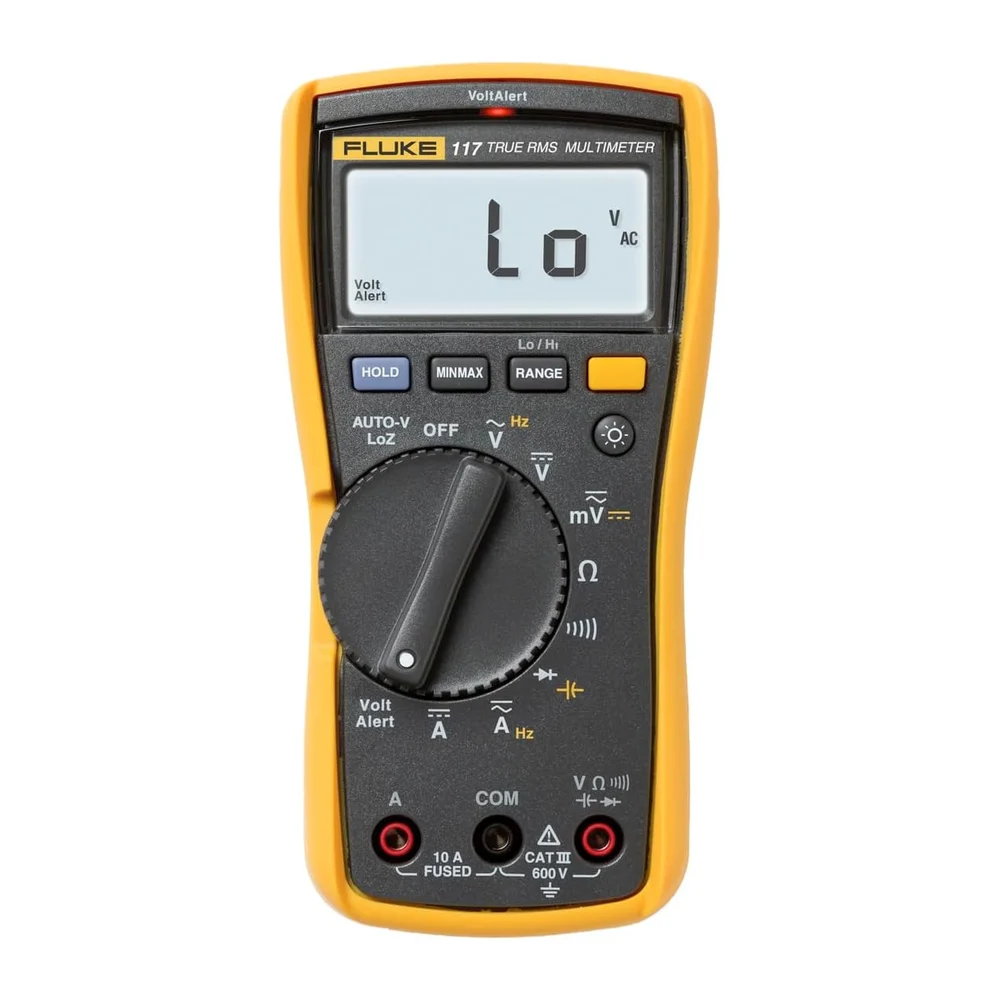 Best bang for your buck
Best value true RMS meter
True RMS, low impedance to eliminate ghost voltages, and an auto-volt feature. Does everything most techs need on a daily basis.
See on Amazon →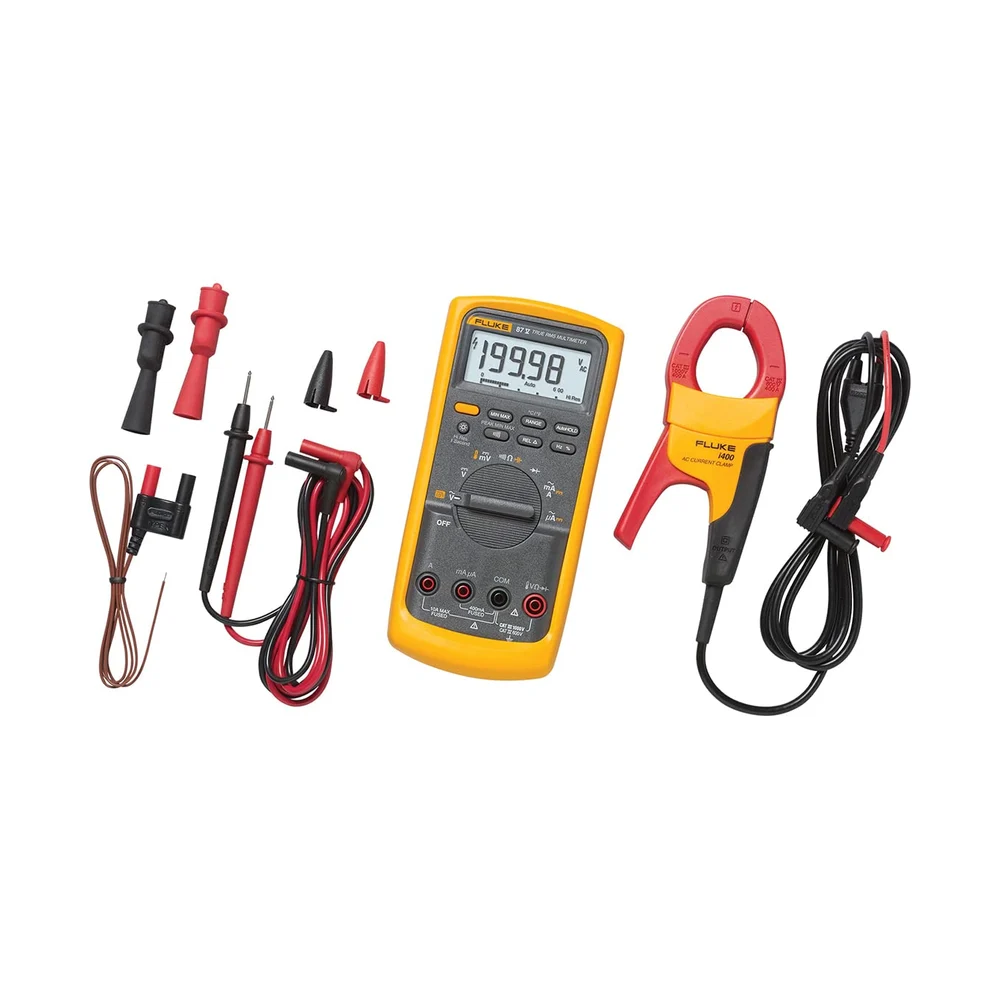
Industrial troubleshooting meter
Built for industrial work. Low-pass filter for accurate readings on motors and VFDs, plus peak capture for chasing intermittent faults. CAT III 1000V rated. This is what serious industrial techs carry.
See on Amazon →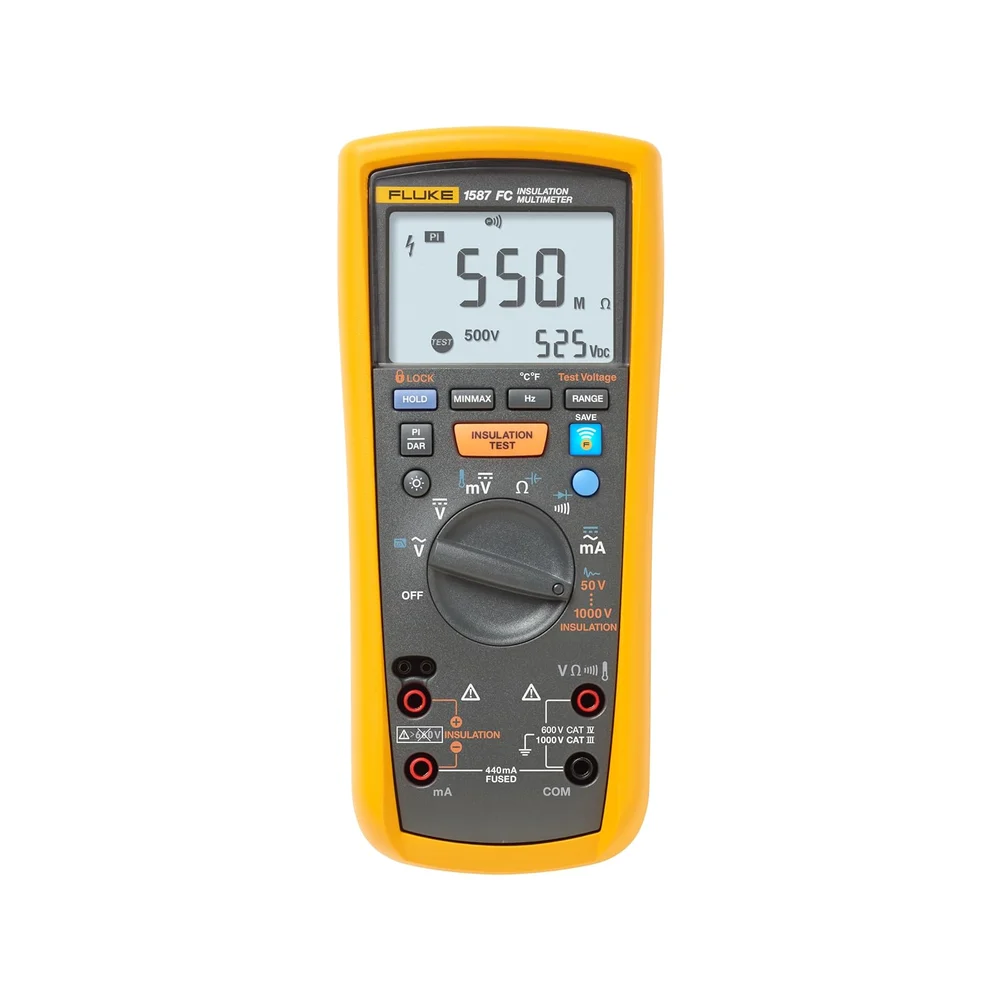
2-in-1 multimeter and insulation tester
Versatile, compact, and built tough. A solid all-around meter for industrial work.
See on Amazon →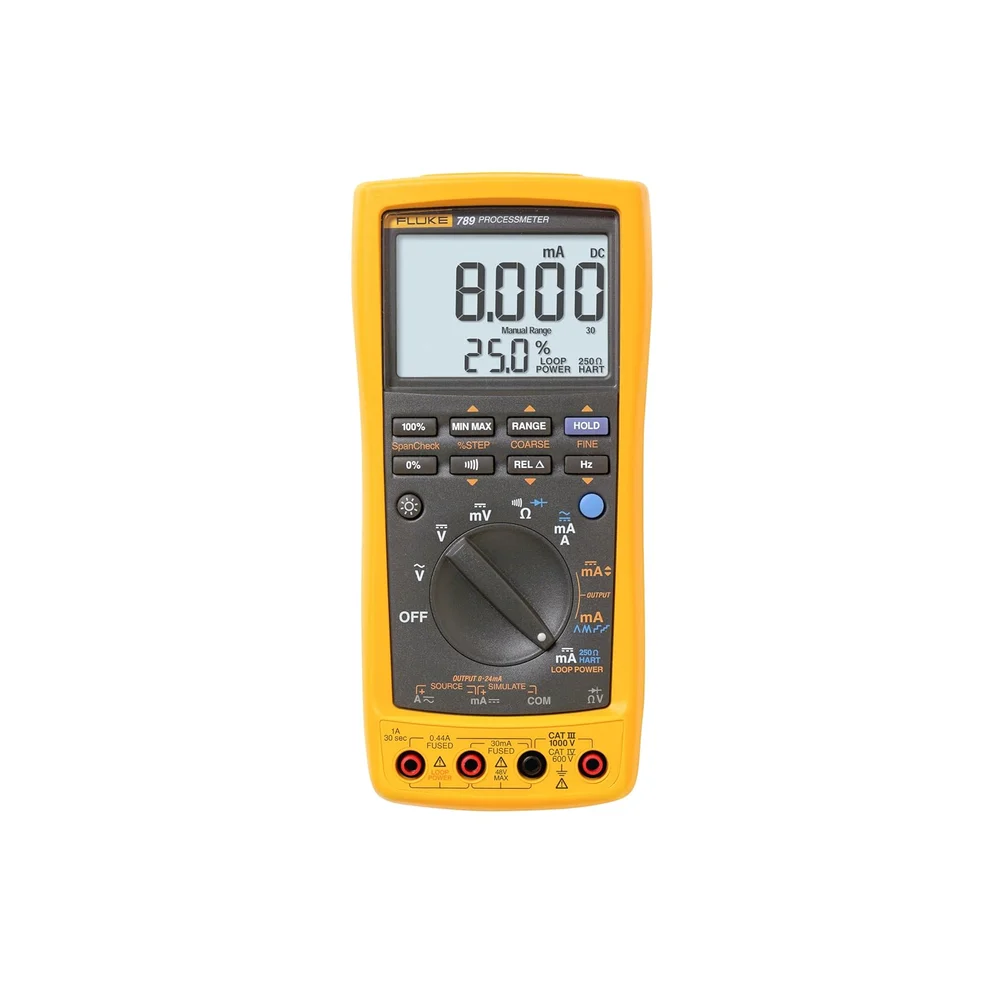
Process meter
Wide measurement range, enhanced safety features, rugged design. Best in class.
See on Amazon →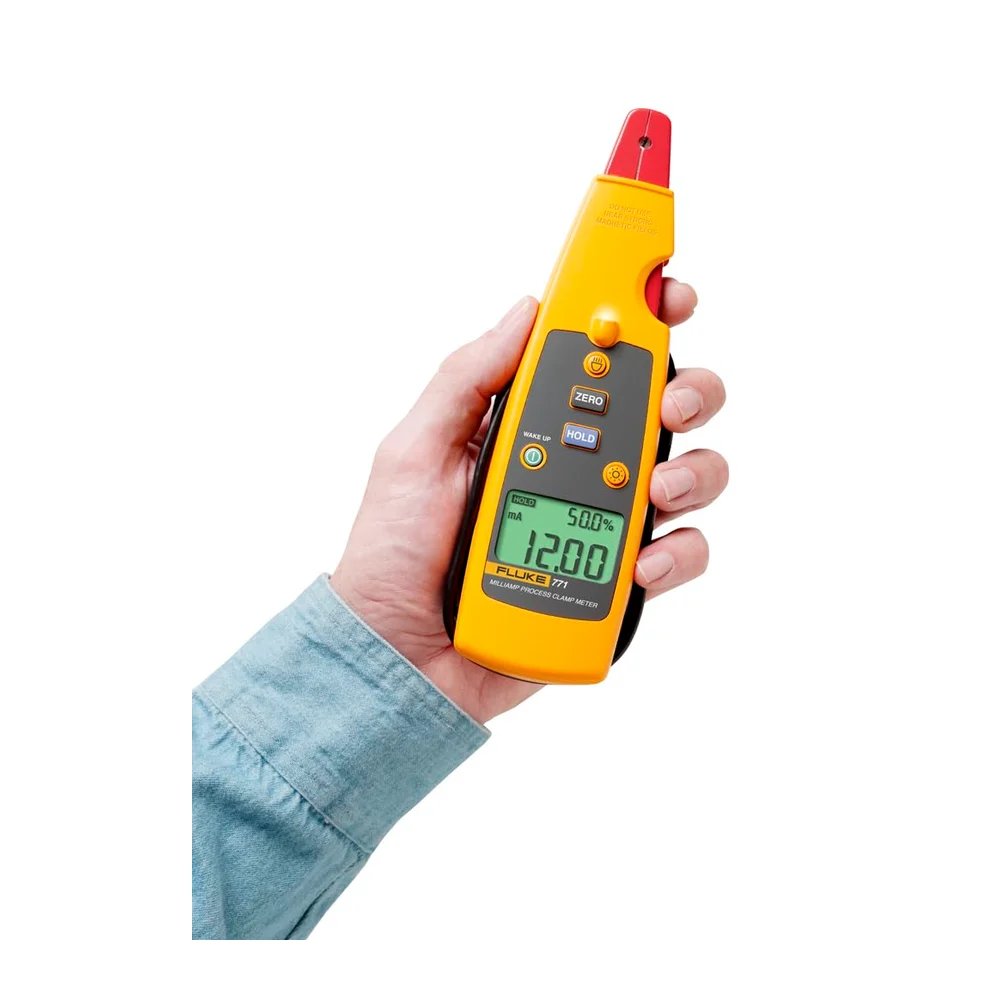
Milliamp clamp meter
Non-intrusive 4 to 20mA loop measurement. Best clamp meter for controls work.
See on Amazon →One more thing on meters
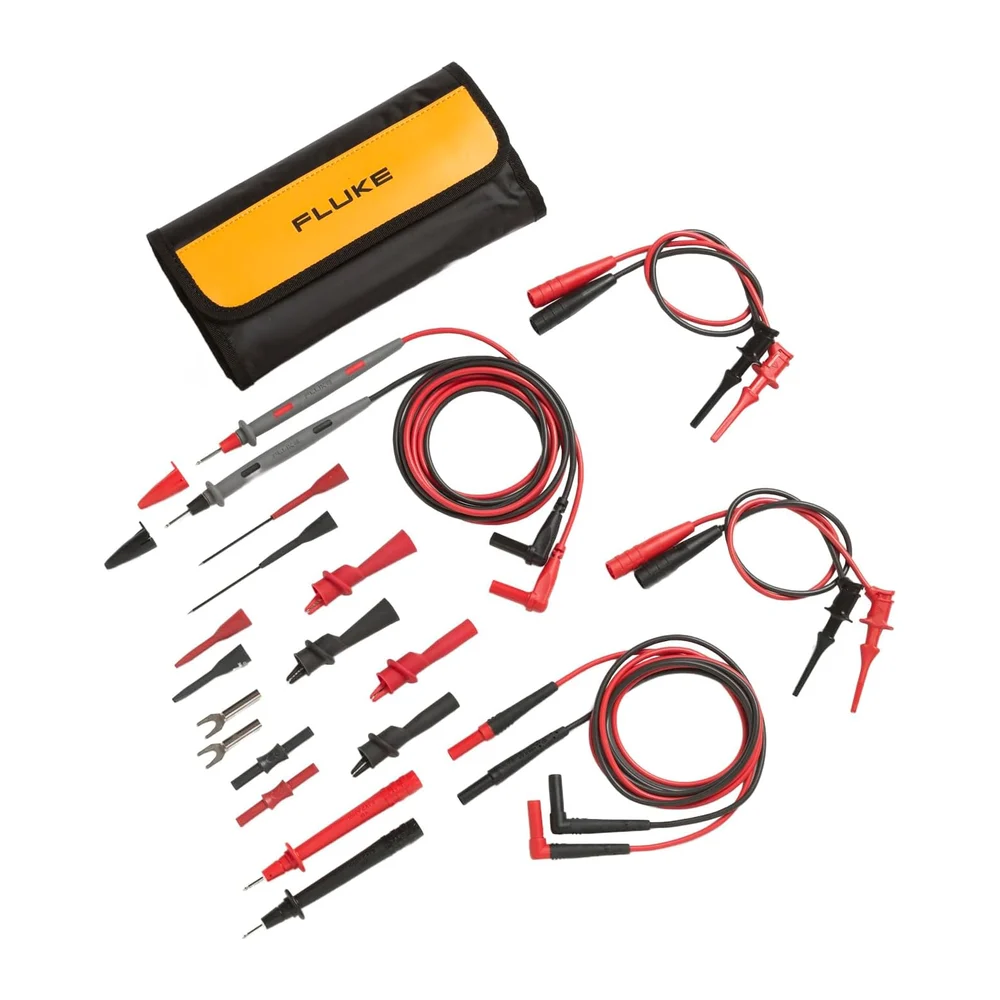
The alligator clips let you clamp onto terminals and keep your hands free while testing. The back probe pins are thin enough to slide into the back of connectors without unplugging anything or damaging the connector. You will use these constantly when testing live signals on sensors and solenoids.
Neither will break the bank, and both will save you a ton of frustration on the floor.
 Get this with any meter
Deluxe electronic test lead kit
Includes back probe pins, alligator clips, and fine hook probes. Everything you need to test live signals inside connectors without unplugging anything. Get this with whatever meter you buy.
See on Amazon →A good meter is half of it
A $400 meter pointed at the wrong wire finds nothing. The same meter, guided by a schematic you actually understand, finds the fault every time. That is the difference between owning a tool and knowing how to use it.